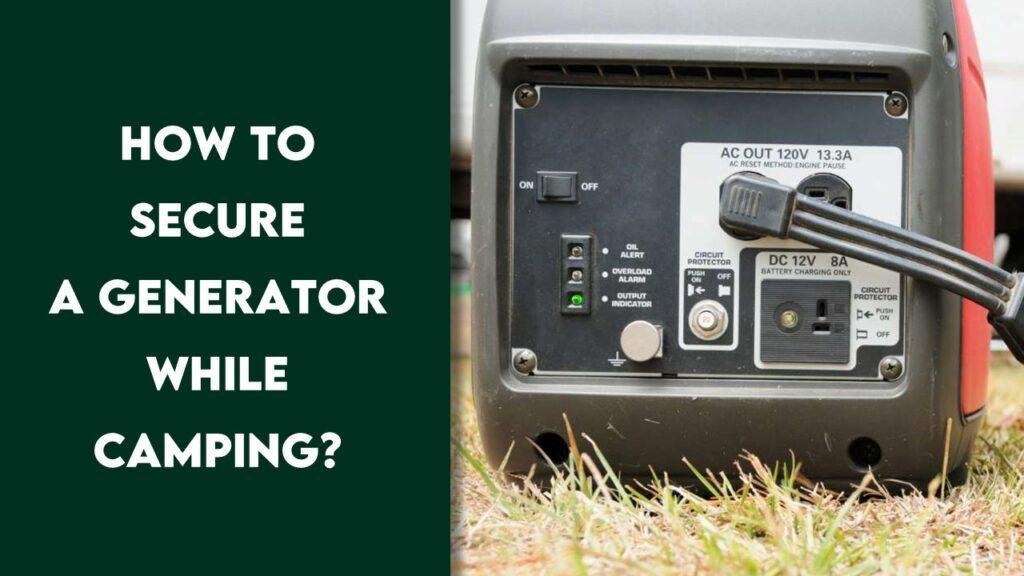
When you picture escaping into the wilderness, it’s often about disconnecting. But let's be real: disconnecting doesn't mean forsaking all modern comforts or necessities. That's where a trusty small generator comes in, transforming your campsite from rustic to remarkably comfortable. So, what can a small generator power while camping? Quite a lot, actually – from charging your phone to running a mini-fridge or even a portable air conditioner, making your off-grid adventures far more enjoyable and secure.
Forget roughing it entirely. With the right portable power, you can keep your essential devices charged, enjoy fresh coffee, and even ensure medical equipment like a CPAP machine runs smoothly through the night. It's about empowering your outdoor experience without sacrificing the peace you seek.
At a Glance: Powering Your Camping Trip
- Smart Devices & Lights: Easily charge phones, tablets, laptops, and power LED string lights.
- Kitchen Comforts: Run mini-fridges, electric coolers, blenders, coffee makers, and even small microwaves.
- Health & Safety: Critical for CPAP machines, emergency medical devices, and electric blankets.
- Entertainment: Power projectors, portable speakers, and small TVs.
- Tools & Air: Inflate air mattresses, run small fans, or even a modest air conditioner in an RV or large tent.
- Generator Types: Inverter generators offer clean power for sensitive electronics; solar generators are quiet and eco-friendly; conventional portable generators are good for higher-wattage, less sensitive items.
The Mighty Mini-Grid: Understanding Small Generator Capabilities
Small generators have evolved dramatically. They're no longer just noisy, bulky boxes. Today's models are often compact, surprisingly quiet, and capable of producing stable, clean power suitable for even your most sensitive electronics. The key to understanding what yours can power lies in its wattage output.
Every device or appliance you own has a wattage rating – how much power it consumes. Generators, in turn, have two main wattage ratings:
- Starting (or Peak) Wattage: The burst of power an appliance needs to start (e.g., a refrigerator compressor kicking on).
- Running (or Rated) Wattage: The continuous power an appliance needs to operate.
Your small generator's running wattage is your limit for continuous operation, while its starting wattage indicates its ability to handle initial power spikes. Always aim for a generator whose running wattage exceeds the combined running wattage of your devices, and whose starting wattage can handle the highest single starting spike. For a deeper dive into selecting the perfect small generator for camping, explore our comprehensive guide.
What Common Camping Gear Can a Small Generator Power?
Let's break down the typical items campers bring and what kind of generator wattage you'd need to run them.
Essential Electronics and Communication
These are often low-wattage but crucial for safety and connection.
- Smartphones, Tablets, Laptops: (5-60W) Easily charged by even the smallest power stations or inverter generators. USB ports are common features.
- LED Lanterns & String Lights: (5-20W) Keeps your campsite illuminated and inviting.
- Portable Fans: (20-50W) A lifesaver on hot nights.
- Drones & Camera Batteries: (20-100W) Keep your adventure photography going.
- Wi-Fi Hotspots & Satellite Communicators: (5-20W) Maintain communication in remote areas.
- Generator Need: Most small inverter generators (500W+) or portable power stations (200Wh+) can handle these with ease.
Kitchen & Comfort Appliances
Bringing a touch of home to the campsite.
- Mini-Fridge or Electric Cooler: (40-100W running, 200-300W starting) Keeps food fresh and drinks cold. This is a game-changer for longer trips.
- Coffee Maker: (600-1200W) A morning essential for many. Note the higher wattage – you'll need a generator with decent output for this.
- Blender: (300-600W) For smoothies or cocktails by the campfire.
- Electric Kettle: (1000-1500W) Quick hot water for tea, instant coffee, or rehydrated meals.
- Toaster: (800-1200W) Fresh toast in the morning.
- Small Microwave: (600-1000W) For reheating leftovers or quick meals. This often requires a generator with a peak wattage of 1500W or more.
- Generator Need: You're looking at inverter generators in the 1000W to 2400W range to comfortably run these, especially if combined.
Health, Safety, and Medical Devices
Reliable power for these items can be non-negotiable.
- CPAP Machine: (30-60W, without humidifier) Absolutely critical for many users. The clean power from an inverter generator is ideal.
- Electric Blanket/Heated Mattress Pad: (50-200W) Provides warmth on chilly nights without needing a full-sized heater.
- Medical Device Chargers: (10-100W) Ensure any vital medical equipment remains powered.
- Generator Need: Clean, stable power from an inverter generator (500W+) or a portable power station (500Wh+) is highly recommended for sensitive medical equipment.
Entertainment & Recreation
Making downtime more fun.
- Portable Projector: (50-150W) Movie night under the stars!
- Portable Speakers: (10-50W) Set the mood with music.
- Small TV/Monitor: (30-100W) For those who can't miss a game or want a larger display.
- Air Mattress Pump: (100-150W) Quick and easy setup for comfortable sleeping.
- Generator Need: Most small inverter generators (800W+) or robust power stations will handle these.
Power Tools & High-Drain Appliances (Limited)
While "small," some generators can handle occasional bursts for bigger tasks.
- Small Electric Grills/Hot Plates: (600-1200W) For cooking without propane or charcoal.
- Small Shop Vac or Air Compressor: (500-1000W) For quick cleanups or tire inflation.
- Portable Air Conditioner: (500-1500W running, 1500-3000W starting) A luxury for RVs or large tents in extreme heat, but requires a generator on the higher end of the "small" spectrum (2000W+).
- Generator Need: For these items, you'll need a generator in the 1800W to 4000W range, typically an inverter generator to ensure stable power.
Different Flavors of Portable Power: Choosing Your Camping Companion
The world of small generators isn't one-size-fits-all. Each type has its sweet spot. Understanding the distinctions is crucial when assessing what can a small generator power while camping for your specific needs.
1. Inverter Generators: The Quiet, Clean Powerhouses
What they are: These are the darlings of the camping world. Inverter generators convert raw AC power to DC, then "invert" it back to clean AC power. This multi-step process results in stable sine wave power, which is identical to your home's electricity.
Best for: Sensitive electronics like laptops, smartphones, CPAP machines, and modern appliances that demand clean power without voltage fluctuations. They are also significantly quieter and more fuel-efficient than conventional generators.
Typical Power Range: 1000W to 4000W.
Pros: Quiet operation, clean power, fuel efficiency, typically lightweight and compact.
Cons: Often more expensive than conventional generators of similar wattage.
Example: WEN 4800-Watt Portable Inverter Generator (56477i), ERAYAK 2400W Portable Inverter Generator, GENMAX 1200W Ultra-Quiet Gas Generator (GM1200i).
2. Portable Power Stations (Solar Generators): The Silent, Emission-Free Option
What they are: Essentially large, rechargeable batteries with multiple output ports (AC outlets, USB, 12V DC). They don't generate electricity in the traditional sense; they store it. Many are "solar-ready," meaning they can be recharged via solar panels, earning them the "solar generator" moniker.
Best for: Anyone prioritizing silent operation, zero emissions, and minimal maintenance. Ideal for smaller loads, charging devices, and running sensitive electronics. Perfect for quiet campgrounds or areas with generator restrictions.
Typical Power Range: Measured in Watt-hours (Wh) for capacity, and Watts (W) for output. From 200Wh/300W to 2000Wh/2200W or more.
Pros: Silent, no emissions, very low maintenance, can be recharged via solar.
Cons: Limited capacity compared to gas generators, longer recharge times (especially with solar), not ideal for high-wattage, continuous loads like large air conditioners.
Example: Jackery Portable Power Station Explorer 300, Jackery Explorer 1000 v2 Portable Power Station. These are excellent choices if you're exploring small generators for camping that prioritize silence and eco-friendliness.
3. Conventional (Open-Frame) Portable Generators: The Workhorses (Less Common for "Small Camping")
What they are: These are the traditional, often louder gas-powered generators. They produce raw AC power directly from the engine's RPMs, which can fluctuate and isn't always "clean."
Best for: Powering construction tools, large appliances, or anything less sensitive to power fluctuations. While some smaller models exist, they are generally less preferred for camping due to noise and lack of clean power.
Typical Power Range: Often start at 2000W and go much higher.
Pros: Good for heavy-duty, less sensitive loads; generally less expensive per watt.
Cons: Loud, produce "dirty" power (not safe for sensitive electronics without a surge protector), less fuel-efficient, heavier.
Key Considerations When Choosing a Small Camping Generator
Picking the right power source is more than just grabbing the first one you see. Think about how you camp and what you truly need.
Power Output (Wattage and Capacity)
This is the big one. Add up the running wattage of all the devices you plan to use simultaneously. Then, identify the single highest starting wattage of any appliance. Your generator needs to meet both these figures. For example, a generator for small generators for camping typically falls between 1000W and 4000W. A Jackery Explorer 300 (300W AC output) is perfect for charging devices, while a WEN 4800-Watt Inverter Generator (4000W rated) can handle a mini-fridge, coffee maker, and more.
Portability and Weight
Are you backpacking, car camping, or RV camping?
- Ultra-lightweight power stations (under 10 lbs) are great for short trips or supplementing. (e.g., Jackery Explorer 300 at 7.1 lbs).
- Mid-range inverter generators (25-50 lbs) offer a good balance of power and portability for car camping. (e.g., GENMAX 1200W at 25.3 lbs, ERAYAK 2400W at 42 lbs).
- Heavier models (50+ lbs) usually have wheels and are suited for RVs or base camps where vehicle transport is guaranteed.
Noise Level
Nothing ruins the tranquility of nature faster than a roaring generator.
- Inverter generators are typically much quieter, often running below 60 dB (similar to a normal conversation).
- Portable power stations are virtually silent.
- Always check the decibel rating, usually measured at 7 meters (about 23 feet). Look for models around 50-60 dB for pleasant camping. The ERAYAK 2400W, for instance, operates at a quiet 52.5 dB.
Fuel Type and Efficiency
- Gasoline: Offers long run times and is widely available. However, it produces emissions, requires maintenance, and can be noisy. Look for "eco modes" that adjust engine speed to load, improving fuel efficiency. (e.g., WEN 4800-Watt, GENMAX 1200W).
- Propane (Dual Fuel): Cleaner-burning than gasoline, longer storage life, and sometimes quieter. Requires carrying propane tanks.
- Battery/Solar: Silent, emission-free, and requires no fuel. Rechargeable via wall outlet, car, or solar panels. Ideal for remote locations. (e.g., Jackery Explorer models).
Power Quality and Safety Features
For sensitive electronics (laptops, phones, CPAP), you absolutely need inverter technology that provides clean, stable sine wave power (low Total Harmonic Distortion or THD, ideally <3%).
Look for safety features like:
- Low-Oil Automatic Shutdown: Protects the engine.
- Fuel Shutoff: Prevents carburetor issues when storing a gas generator.
- Circuit Breakers: Protect against overload.
- Multiple Outlets/USB Ports: Ensures versatile connectivity.
- Solar Compatibility: Future-proofs your power station.
Recommended Small Generators for Your Camping Adventures
Here are a few top picks from the ground truth research, highlighting their capabilities:
- WEN 4800-Watt Portable Inverter Generator (56477i):
- Power: 4800W surge / 4000W rated. This is a robust option that can easily power a mini-fridge, coffee maker, and several other devices simultaneously. It's even RV-ready, perfect for larger trailers.
- Features: Clean power for sensitive electronics, fuel shutoff for easy storage, and up to 7 hours run time on a 1.9-gallon tank at half load. A strong contender for extended trips where you need serious juice.
- Jackery Portable Power Station Explorer 300:
- Power: 293Wh capacity, 300W AC output.
- Features: Ultra-lightweight (7.1 lbs), recharges fast (80% in 2 hours), solar compatible. This is your go-to for charging phones, laptops, drones, running LED lights, and a small fan. Ideal for short trips, silent operation, or supplementing a larger setup.
- ERAYAK 2400W Portable Inverter Generator:
- Power: 2400W peak / 1800W running.
- Features: Clean power, quiet at 52.5 dB, eco mode for fuel efficiency, and weighs 42 lbs. This generator strikes a great balance, capable of running most kitchen appliances like a coffee maker or blender, plus all your basic electronics, without being overly heavy or noisy.
- GENMAX 1200W Ultra-Quiet Gas Generator (GM1200i):
- Power: 1200W starting / 1000W running.
- Features: Very lightweight (25.3 lbs), super clean inverter power (<3% THD), runs up to 6.5 hours on a small 0.66-gallon tank, and quiet at 58 dBA. Perfect for powering sensitive electronics, a CPAP machine, and lights for a weekend trip without breaking your back or the bank.
- Jackery Explorer 1000 v2 Portable Power Station:
- Power: 1070Wh LiFePO4 battery, 1500W AC output / 3000W surge.
- Features: Impressive capacity and output for a battery, fast charging (0-100% in ~1 hour with emergency charge), over 4000 charge cycles for longevity, and solar panel compatible. This unit can handle mini-fridges, microwaves, CPAPs, and multiple devices simultaneously for extended periods, silently. It's a powerhouse for those seeking emission-free yet substantial power.
The Good and The Bad: Weighing Benefits vs. Disadvantages
Understanding what can a small generator power while camping also means understanding the full picture – the upsides and the downsides.
Benefits of Bringing a Small Generator
- Convenience: No more dead phones, cold coffee, or warm drinks. It brings a touch of home comfort to the wild.
- Reliability: Guarantees power in remote or off-grid locations where outlets are nonexistent.
- Comfort: Enables things like CPAP machines, electric blankets, or even a fan on a hot night, vastly improving your quality of sleep and overall camping experience. Modern designs are increasingly quiet and efficient.
- Safety: Keeps communication devices charged for emergencies and allows for campsite lighting.
- Flexibility: Powering various appliances means you're not limited to primitive cooking or entertainment options.
Disadvantages and How to Mitigate Them
- Noise Disturbance: Gas generators can be noisy. Mitigation: Choose inverter models with low dB ratings (ideally under 60 dB), or opt for silent portable power stations.
- Harmful Emissions: Gas generators produce carbon monoxide. Mitigation: ALWAYS operate outdoors in well-ventilated areas, at least 10 feet from any living space. Use a carbon monoxide detector.
- Fuel Consumption & Storage: Gas units require fuel, which adds weight and fire risk. Mitigation: Use eco modes, bring only enough fuel for your trip, store fuel safely in approved containers. Consider dual-fuel or solar options to reduce reliance on gasoline.
- Required Maintenance: Gas engines need oil changes, spark plugs, etc. Mitigation: Read the manual, perform routine checks, and properly winterize for storage. Power stations require minimal maintenance.
- Weight and Bulkiness: Even "small" generators add weight. Mitigation: Choose a model appropriate for your transport method (backpacking vs. car camping). Look for models with integrated handles or wheels.
- Limited Runtime: Gas tanks need refilling; batteries need recharging. Mitigation: Match generator size to your power needs, bring extra fuel, or integrate solar panels for continuous recharging of power stations.
- Initial and Ongoing Costs: Generators are an investment. Mitigation: Factor in fuel and maintenance costs. Consider the long-term benefits to justify the initial outlay.
- Safety Risks: Carbon monoxide, fire hazards. Mitigation: Strict adherence to safety guidelines (see below).
- Restrictions in Some Camping Areas: Many national parks and quiet campgrounds have strict rules or outright bans on generators during certain hours or altogether. Mitigation: Always check campground rules before you go. This is where a silent portable power station truly shines.
Safe and Smart Generator Use While Camping
Even the best camping generator needs to be used responsibly. Safety is paramount, not an afterthought.
- Read the Owner's Manual: This is non-negotiable. It contains specific instructions for your model, including proper fuel types, oil specifications, and maintenance schedules.
- Location, Location, Location: ALWAYS operate gas generators outdoors in a well-ventilated area. Place it at least 10 feet away from tents, RVs, or any enclosed spaces to prevent carbon monoxide buildup. Position it so exhaust fumes blow away from your campsite.
- Carbon Monoxide Detector: Keep a working battery-operated CO detector inside your tent or RV. CO is odorless, colorless, and deadly.
- Refueling Safety: NEVER refuel a running or hot generator. Let it cool down completely before adding fuel. Spilled fuel on a hot engine can ignite.
- Proper Cords: Use heavy-duty, outdoor-rated extension cords that are appropriate for the wattage you're drawing. Ensure cords are in good condition and not frayed.
- Grounding: Some generators require grounding. Consult your manual.
- Weather Protection: Protect your generator from rain and snow. Never operate it in wet conditions unless it's specifically designed for it and properly sheltered.
- Secure Storage: When not in use, store your generator in a dry, secure place, away from living areas.
- Respect Quiet Hours: Many campgrounds have designated "quiet hours" where generator use is prohibited. Be a good neighbor and respect these rules. This is another reason why silent battery power stations are excellent for camping.
Final Thoughts: Powering Your Perfect Getaway
A small generator isn't about bringing the city to the woods; it's about intelligently enhancing your outdoor experience. Whether it's the simple luxury of a hot cup of coffee, the peace of mind that your medical device is running, or the convenience of a charged phone for navigation and emergencies, understanding what can a small generator power while camping empowers you to make informed choices.
By selecting the right type and size, prioritizing safety, and being mindful of your fellow campers, you can ensure your next camping trip is not just an escape into nature, but a comfortable, convenient, and truly memorable adventure. So go ahead, plug in, and enjoy the great outdoors, powered just the way you like it.