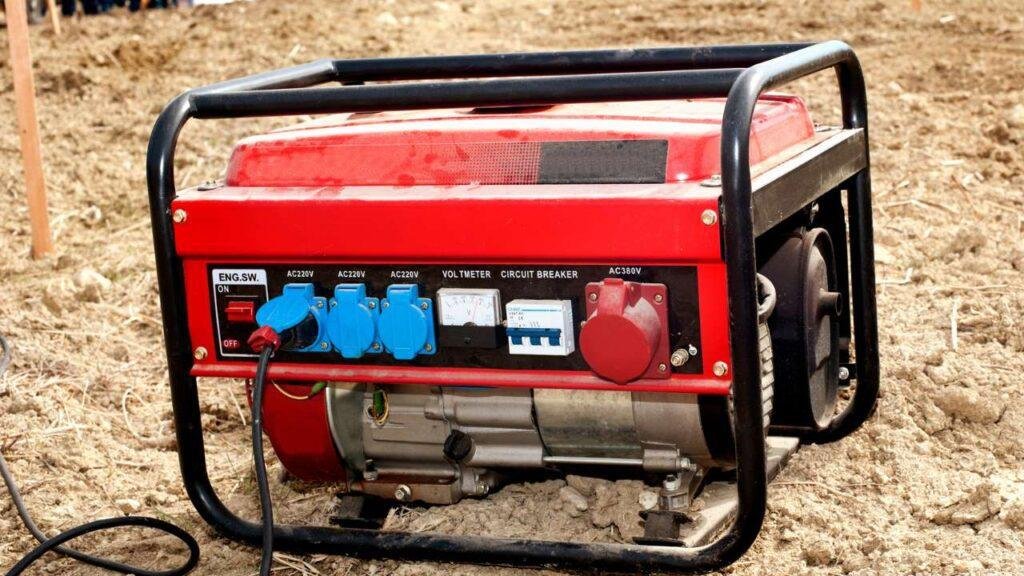
The crisp mountain air, the crackle of a campfire, the distant murmur of wildlife… camping offers an unparalleled escape. But let’s be real, sometimes even the most rugged adventurer needs a little power – to charge a phone, run an RV's essentials, or light up a corner of the campsite. That's where camping generators come in, offering a slice of modern convenience in the great outdoors.
However, the powerful convenience of a generator comes with significant responsibilities. Navigating the Safe Operation & Maintenance of Camping Generators isn't just about following rules; it's about protecting yourself, your loved ones, and the pristine environments you visit from serious, often invisible, hazards. Portable generators, while incredibly useful, can pose severe risks: fire, electrocution, and the silent, deadly threat of carbon monoxide (CO) poisoning. This guide will equip you with the knowledge to wield that power safely and confidently, ensuring your outdoor adventures remain powered by good times, not preventable accidents.
At a Glance: Your Generator Safety Checklist
- Outdoor Use ONLY: Never run a generator indoors, in an RV, tent, or any enclosed space.
- Space & Ventilation: Maintain 5 ft clear space on all sides and above, 15-25 ft from sleeping areas.
- Exhaust Direction: Always point exhaust away from people and structures, downwind.
- Cool Down Before Fueling: Always let the generator cool completely before adding fuel to prevent fires.
- Approved Fuel Containers: Use labeled, corrosion-resistant containers with flame arresters.
- Electrical Safety: Use correct, inspected, grounded, outdoor-rated cords; consider GFCIs.
- Carbon Monoxide Detectors: Essential inside tents and RVs – CO is odorless and invisible.
- Stay Dry: Never operate or refuel a generator in wet conditions or when you are wet.
- Manage Load: Avoid overloading; keep total running watts under 70% of rated output.
- Regular Maintenance: Check fluids, clean, and test ignition/cool-down procedures.
Understanding the Unseen Dangers: Why Generators Demand Respect
At their core, portable generators are marvels of internal combustion technology, much like a car engine. This means they rely on flammable fuels and produce exhaust gases and electric current. Ignoring these fundamental realities is where most safety issues arise. The three primary hazards—carbon monoxide, fire, and electrocution—are serious, demanding your full attention.
The Silent Killer: Carbon Monoxide (CO)
Imagine a gas that you can't see, smell, or taste, yet it can steal your breath and your life within minutes. That's carbon monoxide. As a byproduct of internal combustion, CO is released from your generator's exhaust. When trapped in an enclosed or partially enclosed space, it quickly becomes lethal.
- The Threat: CO replaces oxygen in your bloodstream, leading to fatigue, reduced brain function, and ultimately, asphyxiation. It's also highly flammable, adding to the fire risk.
- Startling Statistics: Between 2005 and 2017 alone, CO poisoning claimed over 1,000 lives in the US, many linked to improper generator use. This isn't a rare occurrence; it's a real and present danger.
Fire: More Than Just a Spark
Generators consume highly ignitable fuel, making fire a constant concern if proper precautions aren't followed. A small spill on a hot engine component, a carelessly discarded cigarette, or inadequate clearance from flammable materials can turn your serene campsite into an inferno in moments. The heat generated by the engine itself, combined with the presence of fuel, creates a volatile environment that demands respect and careful handling.
The Shocking Truth: Electrocution Hazards
Your generator produces electric current, and electricity and the outdoors can be a deadly combination, especially in wet conditions. Faulty wiring, frayed cords, improper grounding, or simply operating a generator while wet or in standing water significantly increases the risk of severe electrical shock. This isn't just a jolt; it can cause heart arrhythmia, severe burns, or even death.
Your Generator's Home Base: Placement & Ventilation
The first and arguably most critical safety rule for any camping generator is its placement. Getting this wrong is the fastest way to invite danger.
- Outdoors, Always: This cannot be stressed enough. Never, under any circumstances, run a generator indoors, in an RV, a home, a garage, a tent, or any other enclosed or partially enclosed space. Even with a window or door open, these spaces can trap deadly carbon monoxide, or worse, cause an accidental ignition from built-up fumes.
- Breathing Room is Non-Negotiable: Your generator needs ample airflow to disperse exhaust gases and prevent overheating. Ensure at least 5 feet of clear, unobstructed space on all sides and on top of the generator. Think of it as its personal safety bubble.
- Distance from Living Spaces: Position your generator a significant distance from tents, RVs, and sleeping areas – ideally 15-25 feet away. This helps ensure any lingering CO fumes are diluted by the open air before reaching areas where people might be resting.
- Exhaust Away: Always point the generator's exhaust pipe away from sleeping areas, vehicles, and other structures. Keep the generator downwind of your campsite to help carry fumes away from your living space.
- Clear the Area: Generators get hot. Clear any vegetation, especially dry grass, leaves, or other flammable debris, from the generator’s resting area. Operating on bare dirt, gravel pads, or a heat-resistant mat is ideal to prevent accidental fires from engine heat or stray sparks.
Fueling Your Adventure Safely: Handling & Storage
Fuel is the lifeblood of your generator, but it's also a significant fire hazard. How you handle and store it can make all the difference.
- Cool It Down, Always: Generator fuels ignite easily. To prevent skin burns and accidental fires, always allow the generator to cool down completely after turning it off and before you attempt any handling, moving, or, most critically, refueling it. A hot engine component can instantly ignite spilled fuel.
- Store Smart, Store Safe: Your extra fuel and any other fire hazards (like propane canisters) should be stored safely and appropriately.
- Approved Containers: Use only approved fuel containers that are designed for the specific fuel type (gasoline, diesel, etc.). These containers should be equipped with flame arrester devices (a mesh screen inside the spout that prevents a flame from entering the can and igniting the vapors), be clearly labeled with the fuel type and fill date, and be made from corrosion-resistant metals or high-density polyethylene.
- Distance from Danger: Store extra fuel a safe distance – at least 10 feet – away from the operating generator and any other heat sources on your campsite. This includes fire pits, gas or charcoal grills, electric or gas camp stoves, and even areas where people might be smoking cigarettes or using lighters.
Connecting Your Gear: Electrical Safety First
Your generator is producing electricity, and just like household wiring, it demands respect. Proper electrical connections prevent shock and fire.
- Bridging the Gap: Transfer Switches for RVs: If you're powering non-standard RV appliances like HVAC systems, electric water heaters, or washing machines, a transfer switch is your safest bet. This device safely routes power from your generator to your RV's electrical system without using extension cords that could be misused or overloaded. A transfer switch also acts as a guardian, controlling current flow and terminating connections if the generator is overloaded, a crucial feature in preventing electrical fires.
- The Right Cords for the Job:
- Manufacturer-Supplied: Whenever possible, use the correct, appropriately rated cables supplied by the generator manufacturer. They are designed for your specific unit.
- Inspect Before Use: Before plugging anything in, inspect all cords and wiring for punctures, frays, or unraveling. Damaged cords are an electrocution and fire hazard.
- Grounded & Outdoor-Rated: Always use grounded, outdoor-rated extension cords. These cords are designed to withstand outdoor conditions and provide a vital safety ground. Ensure they are rated high enough for the total wattage of the devices you are connecting. Overloading a cord can cause it to overheat and catch fire.
- Route Sensibly: Route cords away from walkways, cooking areas, and any place they could be tripped over or damaged. Avoid coiling cords tightly during operation, as this can trap heat and lead to overheating.
- Your Electrical Lifeline: Ground Fault Circuit Interrupters (GFCIs): Especially in wet environments or if rain is even a remote possibility, using GFCIs is a smart move. GFCIs prevent electric shock and fires by immediately shutting off power if they detect an electrical current flowing outside of its normal path (e.g., through water or a person). Many modern generators come with built-in GFCI outlets, but if yours doesn't, you can purchase portable GFCI adapters.
Weathering the Wild: Environmental Protection & Monitoring
The elements can turn a safe generator setup into a dangerous one in an instant. Protecting your generator and monitoring your environment are key. For those considering a power solution, small portable generators for camping offer flexibility, but even they demand careful environmental considerations.
- Stay Dry, Operate Dry: Water and electricity don't mix. Keep your generator dry at all times and only operate it in dry conditions. Never touch, refuel, or turn on your generator if you are wet or standing in water.
- Rainy Day Solutions: If rain is predicted, protect your generator with an open-sided canopy suspended above it. Crucially, this canopy must allow for ample ventilation on all sides to prevent CO buildup. In cases of heavy rain or potential flooding, lift generators onto blocks to keep them clear of standing water.
- Your Nose Isn't Enough: Carbon Monoxide Detectors: Because CO is tasteless and odorless, your senses offer no protection. Install portable carbon monoxide (CO) detectors inside all tents, RVs, and rooftop tents. Consider investing in a battery-powered CO alarm specifically for camping. Test it regularly.
- Fire Extinguisher: A Small Investment for Big Protection: While you hope never to need it, carrying a small, ABC-rated fire extinguisher can be invaluable. A small campfire spark or a fuel spill could escalate quickly, and having an extinguisher nearby could prevent a minor incident from becoming a catastrophe.
Powering Up Smart: Operation & Maintenance Best Practices
Beyond setup, how you operate and maintain your generator directly impacts its safety and longevity. If you're researching options for your next trip, small portable generators for camping are a popular choice, and understanding these practices is crucial no matter the size.
Personal Protection: Gear Up
Don't underestimate the small dangers. When manipulating or running your generator, personal protective equipment (PPE) can prevent minor inconveniences from becoming serious injuries.
- Ear Protection: Generators can be noisy. Consider ear protection like earmuffs or foam earplugs, especially if you'll be operating the generator for extended periods.
- Eye Protection: Safety glasses can shield your eyes from fuel splashes, dust, or flying debris during maintenance or refueling.
- Heat-Resistant Gloves: These protect your hands from hot engine components during refueling or when performing maintenance after the unit has cooled somewhat.
Don't Overload: Managing Your Power Demand
Generators have a rated capacity, and exceeding it is a surefire way to damage the unit, trip breakers, and potentially start fires.
- Match Wattage to Capacity: Always know the starting and running wattage requirements of your devices and your generator's rated output.
- Stagger High-Draw Devices: High-wattage appliances (like kettles, coffee makers, microwaves, or electric burners) should be run one at a time. This prevents sudden power surges that could trip the generator's breaker or cause damage.
- The 70% Rule: A good rule of thumb is to keep your total running watts under 70% of the generator’s rated output. This provides a safety margin, prevents excessive strain on the engine, and allows for brief power surges when devices start up.
Routine Check-ups: Your Generator's Lifeline
Consistent maintenance not only prolongs the life of your generator but also ensures it operates safely. For those relying on a compact generator for their outdoor adventures, neglecting these steps is a common mistake.
- Compile a Checklist: Create a simple checklist for pre-operation and post-operation tasks.
- Pre-Operation: Check oil and other fluid levels (coolant if applicable), inspect air filter, fuel lines, and spark plug. Ensure the area around the generator is clean and clear.
- During Operation: Monitor for unusual noises, vibrations, or smells.
- Post-Operation/Storage: Clean the generator exterior, especially cooling fins and air intakes. Test ignition and cool-down procedures to ensure proper shutdown.
- Long-Term Storage: Stabilize fuel, change oil, and store in a dry, well-ventilated area away from living spaces.
- Refer to Your Manual: Always consult your generator's owner's manual for specific maintenance schedules and procedures.
What To Do When Things Go Wrong: Emergency Response
Even with the best precautions, accidents can happen. Knowing how to react quickly and effectively can minimize harm and save lives.
- Fire or Electric Shock: Call 911 IMMEDIATELY. Do not delay. Your first priority is to get professional help on the way. If safe to do so, try to shut off the generator or disconnect power (if you haven't received a shock yourself).
- Suspect CO Poisoning? Seek Medical Attention. Carbon monoxide poisoning can be subtle. If you or anyone else experiences symptoms like headache, dizziness, nausea, fatigue, or confusion, even if mild, get to fresh air immediately and visit an emergency room or call an ambulance. Tell medical personnel you suspect CO exposure.
- After an Incident: Call the Fire Department for Inspection. If you've had a fire, electrocution, or confirmed carbon monoxide poisoning incident, always call the fire department to inspect the premises and generator. They can assess residual dangers and ensure safety before anyone re-enters the area.
- Alert Nearby Campers: Your vigilance can protect others. If there's a fire, hazardous spill, or gas leak, immediately alert nearby campers to the danger.
- Notify Authorities: Inform the park ranger or campground host on duty. They are trained to assist in contacting local emergency services and can help manage the situation, prevent additional injuries, and communicate with other campers.
Beyond the Basics: Frequently Asked Questions
Understanding the nuances of operating your generator can prevent common mishaps. Whether you own an older model or are considering a brand-new small generator for your next camping trip, these answers apply across the board.
Can I run my generator in the back of my truck with the tailgate down?
No. Even with the tailgate down, a truck bed is considered a partially enclosed space. CO fumes can build up quickly and seep into the truck's cabin or drift to nearby areas. Always operate generators on the ground, at least 15-25 feet away from vehicles and living spaces.
How often should I perform maintenance on my camping generator?
It depends on usage, but a good rule of thumb is:
- Before Each Trip: Quick checks (oil, fuel, general cleanliness, cord inspection).
- Every 50-100 Hours of Use: Oil change, air filter inspection/cleaning, spark plug check.
- Annually (or before long-term storage): More comprehensive service including fuel stabilization, carburetor clean if necessary, and a general tune-up. Always consult your owner's manual for precise recommendations.
Can I use my generator in light rain if it's under a picnic shelter?
No. A picnic shelter, while offering some overhead protection, does not provide adequate ventilation for a generator. It creates a partially enclosed space where CO can accumulate. If rain is expected, use an open-sided canopy specifically designed for generators, ensuring ample airflow on all sides, and operate it far from any shelter.
What's the biggest mistake people make with camping generators?
The single biggest mistake is operating a generator in or too close to an enclosed or partially enclosed space. This is the primary cause of carbon monoxide poisoning fatalities. The second is refueling a hot generator, leading to severe burns and fires.
My generator has an ECO mode. Does that make it safer?
ECO mode primarily reduces engine speed to save fuel and lower noise when demand is low. While it can reduce exhaust output slightly, it does not eliminate the risk of CO poisoning. All the same safety rules regarding placement, ventilation, and CO detection still apply, regardless of ECO mode.
Your Next Camping Trip: Power with Peace of Mind
Camping generators offer fantastic convenience, extending your comfort and capabilities in the wild. But that power is a privilege, not a right, and it comes with a weighty responsibility. By understanding the inherent dangers of carbon monoxide, fire, and electrocution, and diligently following the safety guidelines for placement, fueling, electrical connections, and maintenance, you're not just adhering to rules – you're actively choosing safety for yourself and everyone around you.
Before your next adventure, take a moment to review these practices. Double-check your equipment, pack your CO detector, and commit to responsible generator use. Your peace of mind, and the safety of your campsite, depend on it. Go forth, explore, and power your journey safely.