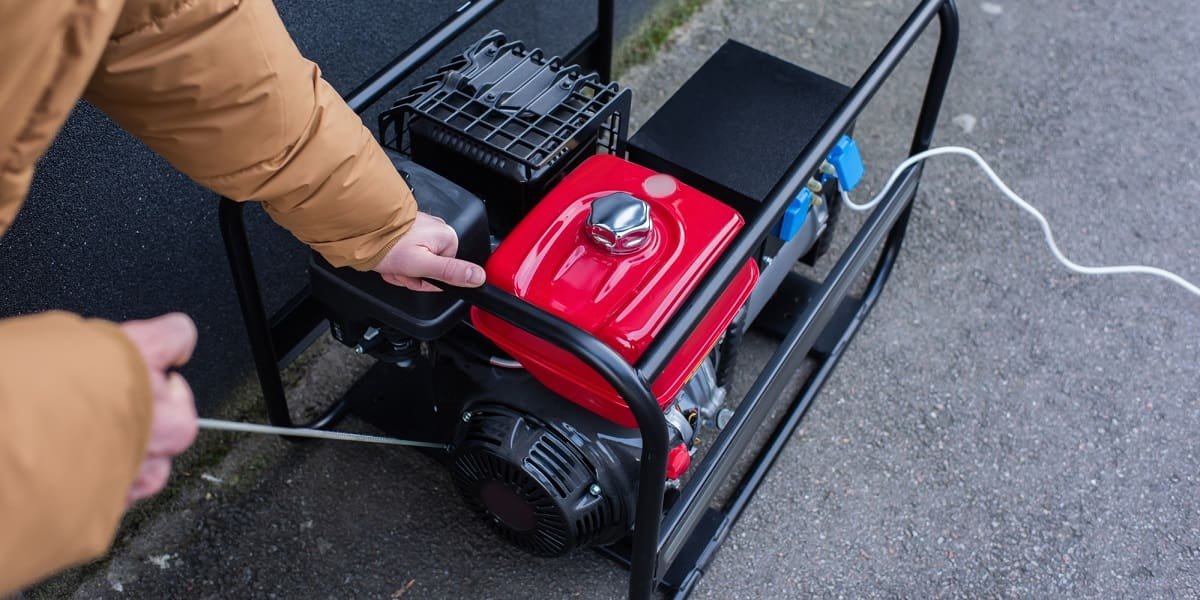
The crisp air, the rustle of leaves, the crackle of a campfire – these are the sounds of a perfect off-grid camping trip. What you don't want to hear is the relentless drone of a gas generator shattering the serenity. Thankfully, the world of outdoor power has evolved far beyond noisy engines. Today, Camping Generator Alternatives & Complementary Power Solutions offer a quiet, efficient, and often more eco-friendly way to keep your devices charged and your campsite humming.
Forget the days of hauling heavy, fume-spewing machines. Modern alternatives empower you to maintain comfort and connectivity in the wild, whether you're a minimalist backpacker needing a phone charge or a glamping enthusiast running lights and a portable fridge. The key is understanding the diverse landscape of power options and how they can work together to create a seamless, silent energy supply for your next adventure.
At a glance: Your Off-Grid Power Toolkit
- Portable Power Stations: The all-in-one battery solution. Silent, versatile, and user-friendly for various devices.
- Solar Panel Chargers: Harness the sun's energy for truly renewable, quiet power. Ideal for sunny, longer trips.
- Portable Wind Turbines: A niche but powerful option for consistently windy locations, offering reliable, sustainable energy.
- Smarter Fuel Generators: When continuous, high-wattage power is non-negotiable, choose quieter, more efficient models with alternative fuels like propane or diesel.
- USB Battery Packs: Your lightweight, pocket-sized companions for essential personal electronics.
Beyond the Buzz: Why Ditch the Roar?
For years, a traditional fuel generator was the default for anyone needing more than a basic battery in the backcountry. While powerful, they come with a hefty list of drawbacks: noise pollution that disrupts wildlife and fellow campers, noxious exhaust fumes, significant weight, and the constant need for fuel refills and maintenance. They also often require an oil change, air filter cleaning, and spark plug checks, adding chores to your wilderness escape.
Modern campers are increasingly seeking solutions that align with the spirit of the outdoors: quiet, clean, and self-sufficient. This shift has fueled innovation, leading to an array of reliable and enjoyable power alternatives.
The Silent Revolution: Portable Power Stations
Imagine a giant battery pack with all the outlets you could ever need. That's essentially a portable power station. These units have rapidly become the go-to alternative for many campers, bridging the gap between small USB packs and large generators.
What makes them shine?
They are blissfully silent, produce zero emissions, and are incredibly easy to use – just plug in and power on. They’re essentially oversized battery banks with built-in inverters, converting DC battery power to AC wall-style power, alongside various DC and USB outputs.
Key Specs to Look For:
- Battery Capacity (Wh): This tells you how much energy the station can store. Ground truth shows popular models range from 300Wh to 1500Wh, suitable for everything from charging phones and laptops to running small appliances like portable fridges or CPAP machines. A 500Wh unit, for example, could recharge an average laptop 5-7 times or power a 50W camping fridge for about 10 hours.
- Output Ports: Look for a variety: multiple USB-A and USB-C (often with fast charging), 12V DC car ports, and standard AC wall outlets.
- Portability: While powerful, they are designed to be moved. Average weights for popular models fall between 7 to 18 lbs, making them manageable for car camping or short distances.
- Budget-Friendly Options: You don't need to break the bank. Models like the Intocircuit Power Castle and Lipower MARS-1000 offer accessible energy solutions, with some entry-level options starting surprisingly low (around $9 for very basic, smaller capacity units, though most useful camping models will be in the hundreds).
Pros: - Completely silent operation.
- Zero emissions, no fumes.
- Easy to use, plug-and-play.
- Versatile with multiple output types.
- Can be recharged via solar panels, car, or wall outlet.
Cons: - Limited by stored energy; once depleted, you need to recharge.
- Can be heavier than simple battery packs.
- Higher upfront cost for larger capacities.
Harnessing the Sun: Solar Panel Chargers
For truly sustainable, off-grid power, nothing beats solar. Solar panel chargers are an excellent complementary solution, especially for extended trips where you need to replenish your portable power station or direct-charge smaller devices.
How they work:
Photovoltaic cells convert sunlight directly into electricity. Modern portable solar panels are foldable, durable, and surprisingly efficient, making them practical for camping.
Efficiency Matters:
Recommended options like the Renogy Solar Suitcase and Jackery SolarSaga Panels boast high energy conversion efficiency rates, often around 25% more efficient than standard panels. This means they capture more power from the same amount of sunlight, which is crucial when space and sun exposure are limited. For optimal charging, remember to adjust panels based on your latitude and the sun's position throughout the day – tilting them directly at the sun can significantly boost performance.
Cost-Effectiveness:
While there's an initial investment, the sun's energy is free. The payback period for solar chargers typically ranges from 1 to 3 years, with average annual cost savings of $50-$150, influenced by the panel's efficiency and your sunlight exposure. Over time, they can pay for themselves, especially if you regularly camp away from grid power.
Pros:
- Truly renewable and environmentally friendly.
- Silent and emission-free.
- Low long-term operating cost.
- Ideal for extended trips away from power sources.
Cons: - Performance dependent on sunlight availability (cloudy days, shaded sites limit output).
- Can be bulky or cumbersome to set up and adjust.
- Doesn't provide immediate power if starting with a dead battery in the dark.
Riding the Wind: Portable Wind Turbines
While less common than solar or battery banks, portable wind turbines offer a unique and powerful solution for remote camping, especially in locations with consistently windy conditions. Think wide-open plains, coastal campsites, or mountain ridges.
Compact Powerhouses:
You're not looking at massive commercial turbines here. These are compact, often designed for quick setup and portability. Options like Primus Wind Power Turbines and Vertical Axis Wind Models are recommended. They are lightweight, typically under 20 pounds, making them manageable for transport.
Output and Durability:
Small wind turbines provide an average output of less than 300 watts, sufficient for charging batteries, running LED lights, and charging small electronics. What they lack in raw peak power compared to a large generator, they make up for in continuous, renewable output when the wind blows. They also show better weather adaptability than larger units and are known for their durability in harsh climates.
Hybrid Solutions:
For extended power needs, consider units that offer hybrid energy solutions that complement solar panels or battery packs. A wind turbine can charge your power station overnight or on cloudy, windy days when solar panels are less effective, creating a robust, redundant power system.
Pros:
- Excellent for consistently windy locations, providing power day and night.
- Renewable and emission-free.
- Durable and weather-resistant.
- Great for hybrid systems to ensure continuous power.
Cons: - Requires consistent wind; useless in still conditions.
- Can be sensitive to strong gusts if not properly secured.
- Some models might produce a low-level whirring sound.
- Higher upfront cost and more specialized setup than solar or battery packs.
Beyond Gasoline: Smarter Fuel Generator Choices
Sometimes, despite all the alternatives, you might need the sheer, sustained power of a fuel generator. This could be for running larger appliances, extended cold-weather camping, or as a backup for crucial equipment. However, choosing a smarter fuel generator means looking beyond the old, noisy gasoline models. You can also Explore small camping generators that are designed with portability and efficiency in mind.
Traditional fuel generators still offer consistent power but come with familiar drawbacks: noise, exhaust emissions, and maintenance requirements (oil changes, air filter cleaning). However, advancements in inverter technology have made modern fuel generators significantly quieter and more fuel-efficient. Popular models like the Honda EU2200i are renowned for their quiet operation and reliability.
Fueling Your Choice:
- Propane Generators: These offer steady results, produce less carbon deposition (meaning cleaner engines and less maintenance), and are often cheaper than gasoline over the long run, especially if you already use propane for cooking. Propane also has a longer shelf life, making it a good choice for emergency backup.
- Diesel Generators: Known for their higher density fuel, which enhances fuel longevity. Diesel generators are generally more efficient in continuous service and are incredibly durable. The trade-off is often a higher upfront cost, but their robustness and efficiency can make them worthwhile for heavy-duty, long-term use.
- Biodegradable Fuel Options: For the eco-conscious camper, some generators can run on or be converted to use biodegradable fuels. These are the eco-friendliest due to lower carbon emissions and reduced environmental impact if spilled. Always check manufacturer specifications for compatibility.
Reliable Brands: When considering any fuel generator, even small ones for camping, Honda and Champion Power Equipment are consistently reliable brands known for quality and performance.
Pros of Modern Fuel Generators: - High, consistent power output for larger loads.
- Less reliance on weather conditions (sun or wind).
- Faster refueling than recharging batteries.
- Advanced models are much quieter than older designs.
Cons: - Still produce noise and exhaust (even quiet models).
- Requires fuel storage and transport.
- Regular maintenance is necessary.
- Environmental impact compared to renewables.
Pocket Power: USB Battery Packs
For the minimalist, the hiker, or simply as a crucial backup, USB battery packs are indispensable. These are your everyday portable chargers, scaled up slightly for multi-day use.
Designed for Portability:
USB battery packs are popular for minimalist camping due to their compact size and lightweight design. Brands like Anker PowerCore and Nimble CHAMP Battery are renowned for their reliability and performance. High-capacity USB packs, weighing around 1.2 pounds in 2022, provide extended power for multiple days, making them perfect for keeping phones, headlamps, and other small USB-powered gadgets charged.
Features to Look For:
Look for models offering multiple ports (USB-A and USB-C Power Delivery) and high efficiency to minimize energy loss during charging. Many now feature Fast Charge USB Technology and enhanced port protection for complex charging needs, ensuring your devices power up quickly and safely.
Longevity and Safety:
These packs typically last 2-3 years with regular use before battery degradation becomes noticeable. For safety and durability, especially when traversing rough terrain, always transport them in sturdy cases to protect them from impacts and moisture.
Pros:
- Extremely portable and lightweight.
- Affordable for basic charging needs.
- Easy to use and recharge.
- Essential for personal electronics.
Cons: - Limited power output; only for small USB devices.
- Lower capacity compared to power stations.
- Not suitable for AC appliances.
Synergy in the Wild: Complementary Power Strategies
The true power of modern off-grid solutions often lies in combining them. Rarely will a single solution meet every need perfectly. By using complementary power solutions, you can create a robust, redundant, and highly efficient system for your campsite.
Smart Combinations:
- Portable Power Station + Solar Panels: This is arguably the most popular and versatile combination. Your power station acts as the primary energy storage and output hub, while solar panels continuously feed it power during daylight hours. This extends your off-grid time indefinitely as long as the sun shines.
- Portable Power Station + USB Battery Packs: Use your power station for larger items, and keep a few small USB battery packs for personal devices (phones, e-readers). This prevents draining your main power station for small tasks and offers grab-and-go charging.
- Wind Turbine + Portable Power Station: In consistently windy areas, a small wind turbine can be an excellent supplement to a power station, especially on cloudy days or at night when solar isn't an option. It adds another layer of redundancy.
- Small Fuel Generator (Propane) + Portable Power Station: For long trips or in emergencies, a small, quiet propane generator can quickly recharge a depleted power station, offering a lifeline when solar and wind are unavailable. This uses the fuel generator as a backup charger rather than the primary power source, significantly reducing its run time and environmental impact.
By strategizing your power sources, you maximize uptime, ensure redundancy, and reduce reliance on any single power generation method, providing peace of mind no matter what the conditions.
Choosing Your Off-Grid Power Partner: A Decision Guide
With so many options, how do you pick the right ones for your adventure? It all comes down to understanding your specific needs and priorities.
- Assess Your Power Needs:
- What devices do you need to power? (Phone, laptop, drone, camera, lights, portable fridge, CPAP machine, electric kettle?)
- What are their wattages? (Check the labels – a phone charger might be 5-10W, a portable fridge 40-60W, a CPAP 30-100W).
- How long do you need them to run/be charged? (Total daily watt-hours needed). This is crucial. If a device is 50W and you want to run it for 10 hours, you need 500Wh of capacity.
- Example: A weekend car camping trip with a portable fridge (50W for 10 hours a day = 500Wh/day) and phone charging (100Wh/day) means you need ~600Wh per day. For two days, a 1200Wh portable power station would be a good starting point.
- Consider Trip Duration and Location:
- Short trip (1-2 days)? A good quality portable power station or high-capacity USB pack might suffice.
- Extended trip (3+ days)? You'll likely need a renewable charging source like solar panels to replenish your battery banks.
- Sunny location? Solar is a strong contender.
- Consistently windy location? A portable wind turbine could be invaluable.
- Shady campsite? Solar will be less effective; prioritize battery capacity or consider a small fuel generator for backup.
- Portability vs. Power Output:
- Backpacking? Focus on lightweight USB packs and perhaps a small foldable solar panel.
- Car camping/RVing? You can afford heavier, higher-capacity portable power stations and larger solar arrays.
- There's always a trade-off. More power generally means more weight and bulk.
- Budget Considerations:
- USB battery packs are the most affordable entry point.
- Portable power stations range widely based on capacity and features.
- Solar panels and wind turbines are an upfront investment, but offer free energy long-term.
- Fuel generators have ongoing fuel costs and maintenance.
- Noise and Environmental Impact:
- If silence is paramount and you want zero emissions, prioritize battery banks, solar, and wind.
- If you need high power and can't rely on renewables, modern inverter generators are a quieter, more efficient fuel-based choice.
Keeping the Lights On: Maintenance & Longevity Tips
To ensure your power solutions serve you reliably for years to come, a little care goes a long way.
- Portable Power Stations & USB Battery Packs:
- Charge Cycles: Lithium-ion batteries have a finite number of charge cycles. Avoid consistently draining them to 0% and charging to 100%. Aim for keeping them between 20% and 80% for optimal lifespan, though occasional full cycles are fine.
- Storage: Store them in a cool, dry place, ideally at a 50-70% charge level. Avoid extreme temperatures.
- Cleaning: Keep ports free of dust and debris. Use a soft, dry cloth.
- Solar Panel Chargers:
- Cleaning: Regularly wipe down panels to remove dirt, dust, and pollen, which can significantly reduce efficiency.
- Storage: Store in their protective cases in a dry place when not in use. Avoid bending or dropping them.
- Portable Wind Turbines:
- Inspection: Periodically check blades for damage, and ensure all connections are secure.
- Lubrication: Some models may require occasional lubrication of moving parts according to manufacturer guidelines.
- Storage: Disassemble and store safely during off-season to protect from extreme weather.
- Fuel Generators:
- Routine Maintenance: Follow the manufacturer's schedule for oil changes, air filter cleaning, and spark plug replacement.
- Fuel Storage: Store fuel safely in approved containers away from living areas. Consider fuel stabilizers for gasoline if storing for long periods.
- Run-Time: Run the generator periodically (e.g., every few months) to keep components lubricated and fuel lines clear.
Common Questions About Off-Grid Power
Q: Can I run a small camping fridge on a portable power station?
A: Absolutely! Most portable power stations with capacities of 500Wh or more can comfortably run a portable camping fridge for 10-24 hours, depending on the fridge's efficiency and external temperature. Check your fridge's wattage and the power station's capacity.
Q: How long will my solar panels take to charge my power station?
A: This depends on several factors: the wattage of your solar panels, the capacity of your power station, and the amount of direct sunlight. As a rough estimate, a 100W solar panel can fully charge a 500Wh power station in 5-10 hours of good sunlight. Higher panel wattage or more sun means faster charging.
Q: Are these generator alternatives truly silent?
A: Portable power stations, solar panels, and USB battery packs are indeed completely silent as they have no moving parts or combustion. Portable wind turbines produce a very low whirring sound, generally far less intrusive than a fuel generator.
Q: What's the best option for extreme cold or hot weather?
A: Extreme temperatures can affect battery performance. Lithium-ion batteries lose capacity in very cold weather and can degrade faster in extreme heat. For cold weather, keeping batteries insulated is key. For hot weather, avoid direct sun exposure. Fuel generators are less affected by temperature extremes, but require special care for fuel and oil in very cold conditions.
Powering Your Next Adventure, Responsibly.
The wilderness beckons, and with the right Camping Generator Alternatives & Complementary Power Solutions, you can answer its call without sacrificing comfort or contributing to noise pollution. By understanding your power needs and the unique advantages of each solution – from silent portable power stations and sun-harnessing solar panels to strategic fuel options and pocket-sized USB chargers – you can craft a personalized energy strategy. Embrace the quiet revolution, step into your next off-grid adventure with confidence, and let the sounds of nature be your only soundtrack.